New Ways of Thinking
Design Led Empowerment Index
 The design of User Experience today is built upon a choice architecture that is meant to acquire and retain customers and hence increase revenue on the one hand and save cost for businesses through efficiency and speed, on the other.
The impact of this can be seen in the form of an ever expanding, instant gratification led experience economy that constantly fuels consumerism. Since there is no plan(et) B, if we are to survive as the human race, this planet has to be saved by switching to a less consumerist and more sustainable lifestyle. Just as User Experience design is contributing to the increasing consumerism today, a change in the evaluation criteria and definition of what is ‘good’ and ‘successful’ UX can transform the impact of User Experience design by ensuring that the goal of UX Design is a balance between what is good for the human race and what is good for commerce.
If the criteria for determining UX design that is worth rewarding in corporate design categories (via indices and awards) is still only about speed, efficiency, learnability, market success, customer acquisition and retention on one hand and aesthetic delight on the other, then the processes leading to successful UX design will also focus on designing based on these criteria. The cycle of market led design will then continue instead of evaluating a more holistic set of criteria that could help shift the desired outcome of UX design from just being about creating convenience and wealth to also playing a role in enhancing capabilities of its human users and thereby empowering users to make more informed decisions about their lives, the experiences they chose and have clarity about the impact those decisions will have on the future of the world.
But is there another set of criteria with which to evaluate UX?
What could a more holistic design index look like? Having reviewed indices that measure human wellbeing in a more holistic manner than simply looking at GDP, per capita income, etc. (Human Development Index, Better Life Index, Happy Planet Index, World Happiness Index, Gross National Happiness, Global Creativity Index, etc.) and by interpreting and translating Nussbaum’s list of capabilities (Nussbaum 2001) into appropriate design directions, the following dimensions were identified as key factors contributing to overall happiness and wellbeing.
- Material living standards (income, consumption and wealth)
- Health
- Education
- Personal activities including work
- Social connections and relationships
- Environment (present and future conditions)
- Insecurity, of an economic as well as a physical nature
- Generosity
- Freedom
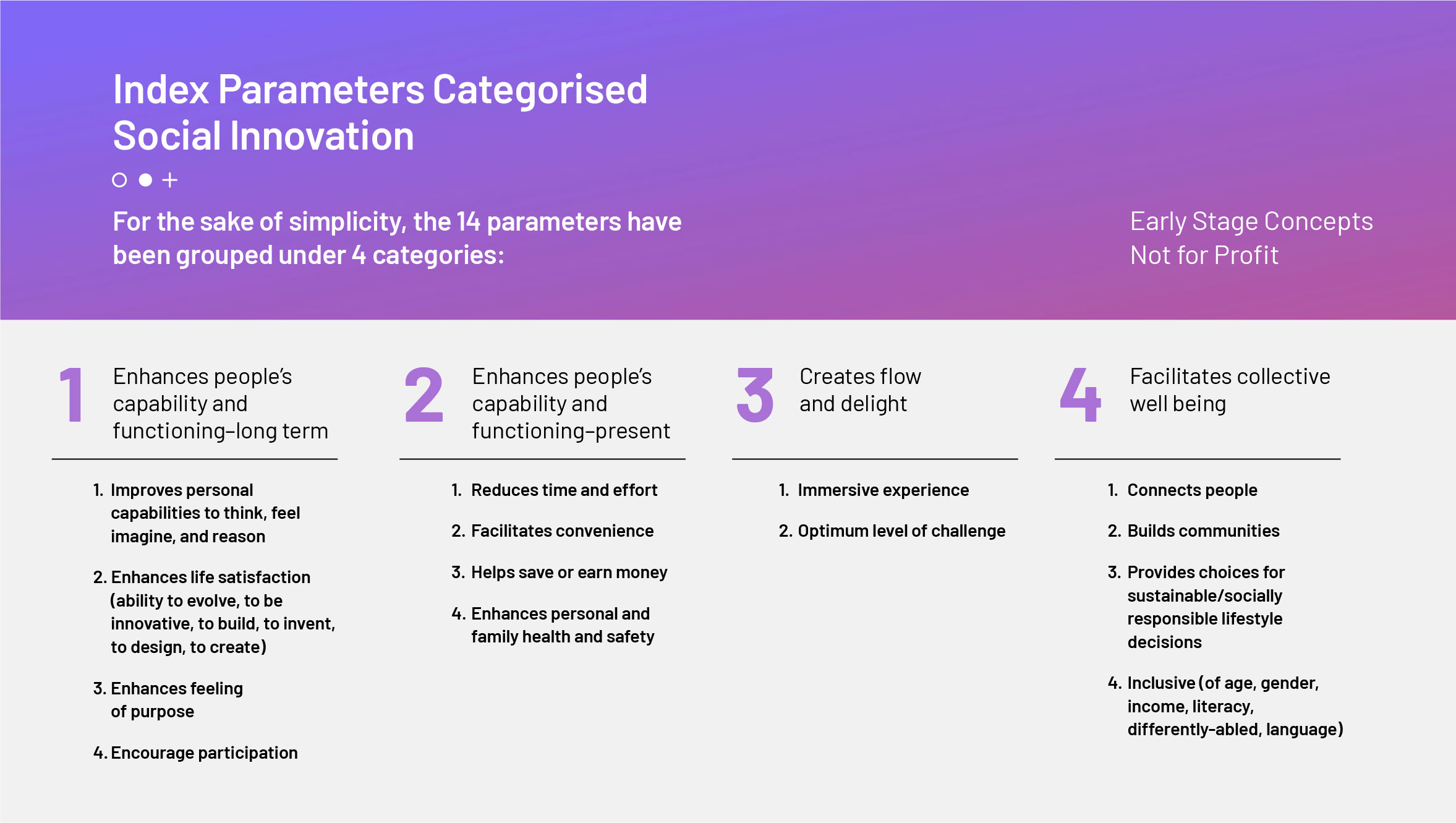
All these dimensions shape people’s well-being, and yet conventional income measures miss many of these. Taking inspiration from these dimensions, this is a list of parameters that could form the basis of a more holistic design index. These parameters could be used to evaluate whether a UX design concept/ prototype/fully working product does the following for its users? The design could be scored based on how it fares on each of the items below.
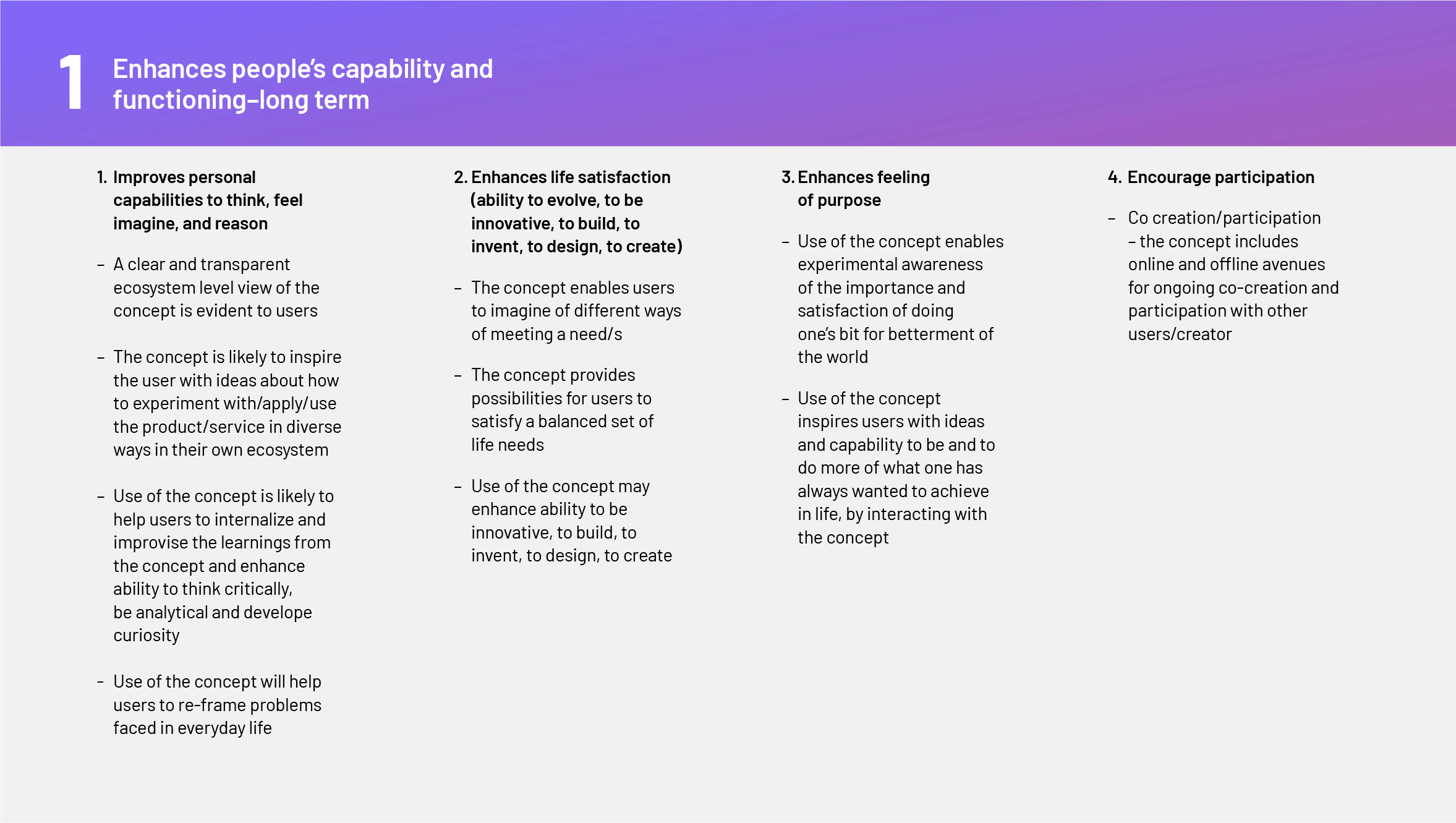
- Improves Personal Capabilities to think, feel, imagine, reason
- Connects people and enables community building
- Enhances Life Satisfaction
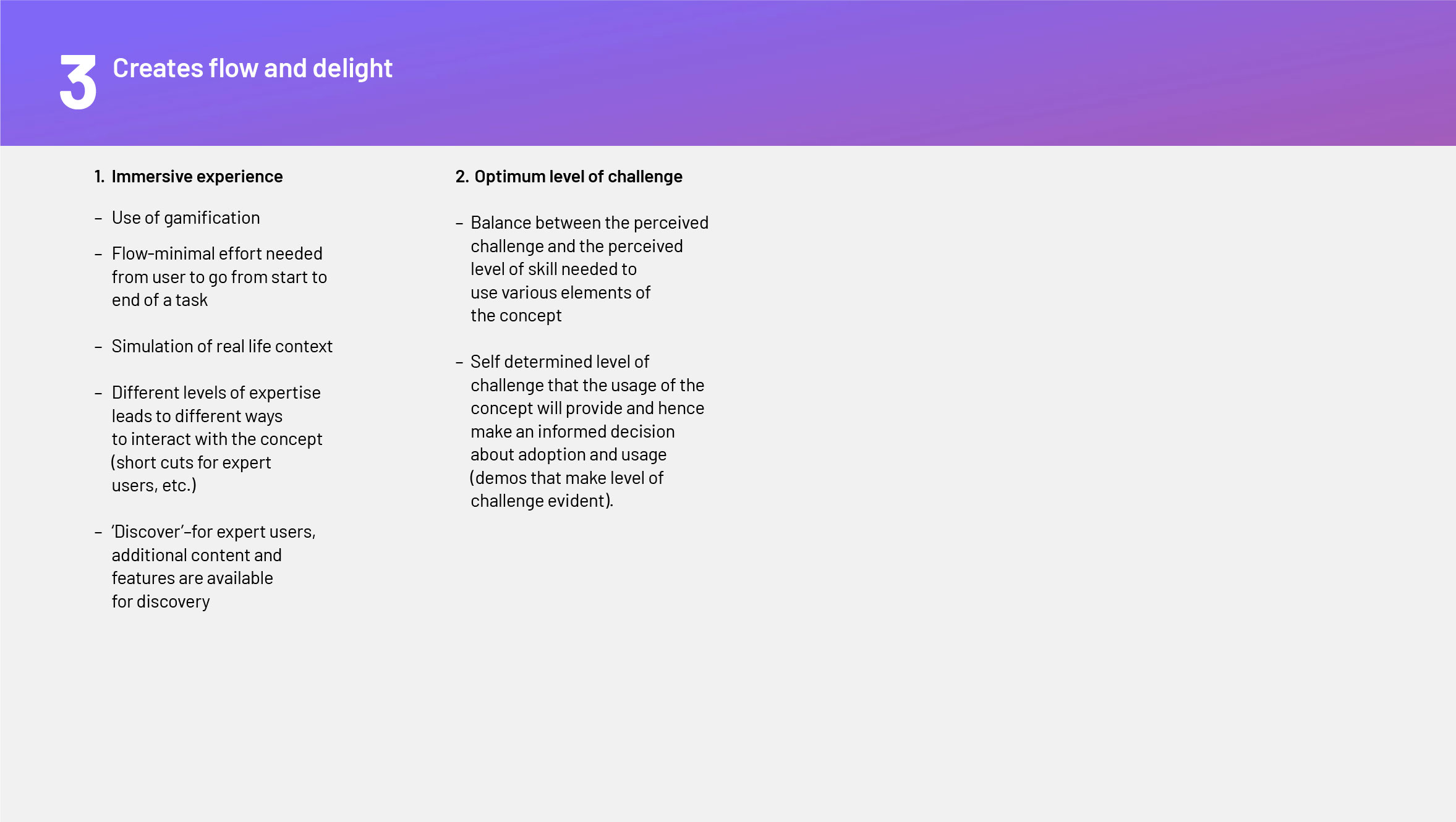
- Provides a sense of flow and delight
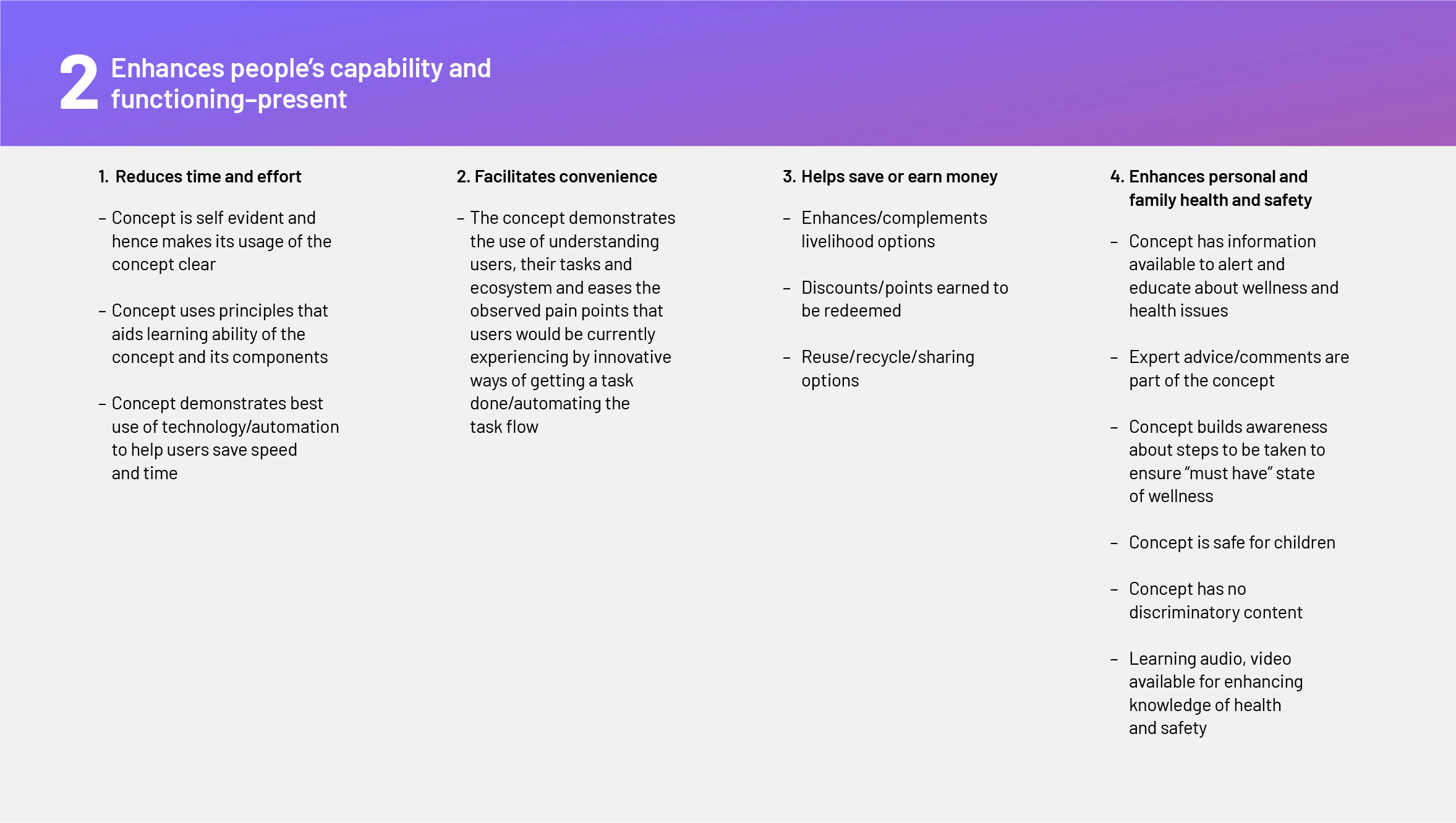
- Reduces Effort and Facilitates Convenience
- Helps Save or Make Money
- Enhances Personal and Family Health and safety
- Enhances Feeling of Purpose
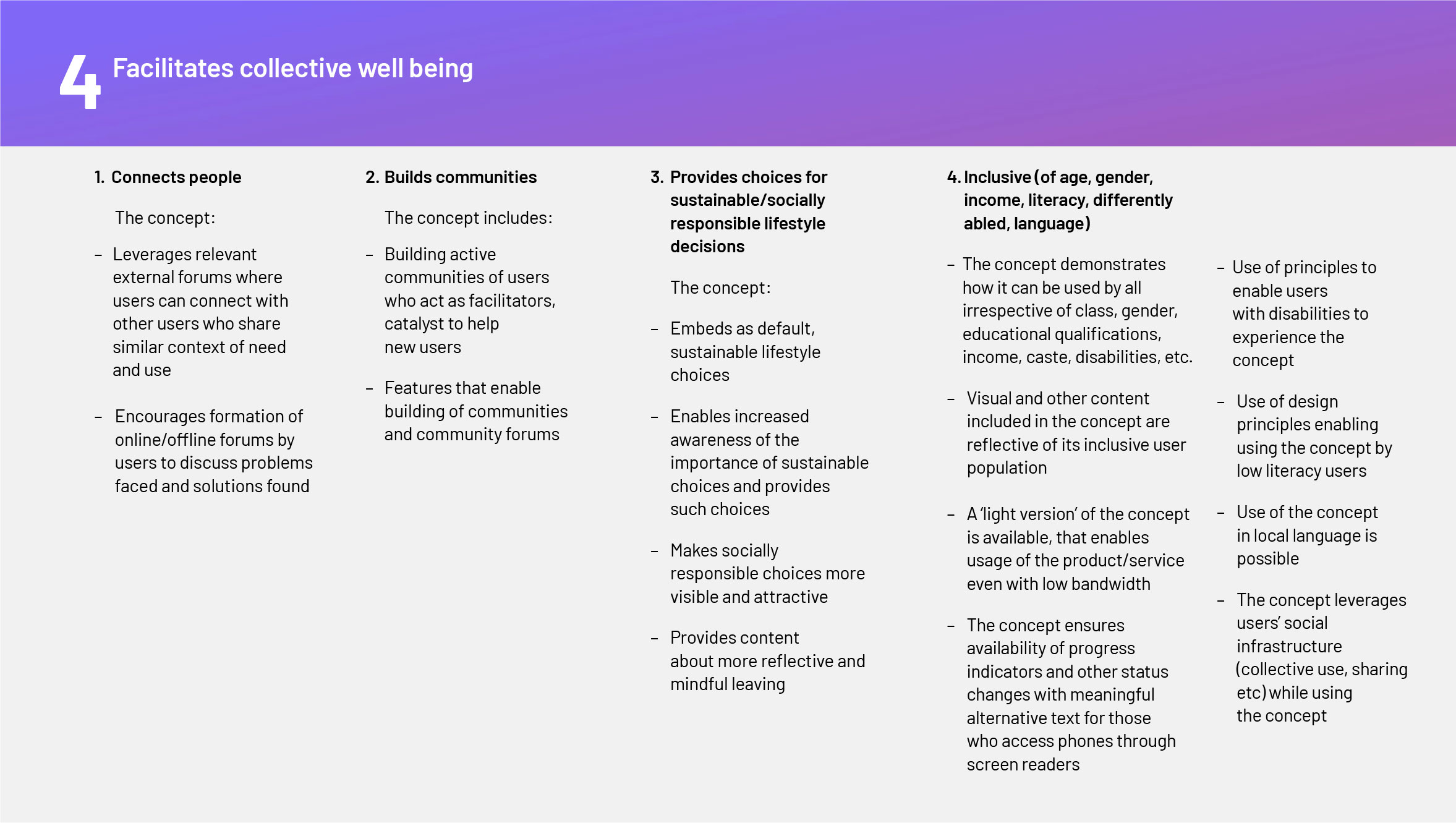
- Facilitates/enhances ways to live a more sustainable and socially responsible life
- Is designed to be inclusive
Using an index with parameters such as the list includes would go a long way in shifting the current dominant UX narrative of designing ONLY for increased efficiency, speed and revenue to ALSO designing for these. Including the additional parameters (from the list given above) as part of an index that measures ‘good’ UX design would also mean that current design frameworks and processes would need to transform to meet the new definition of what is ‘good’ UX. As the Nobel Prize winning economist Joseph E. Stiglitz said, “What you measure affects what you do. If we have the wrong metrics, we will strive for the wrong things.”
What we measure affects what we do; and if our measurements are flawed, decisions maybe distorted.”
The Design Led Empowerment Index
Reflection
With an alternative design index that focuses on holistic empowerment of the design’s users, the journey to reframe how we practice UX Design will get a head start and we will pay attention to what is needed for design to contribute towards a sustainable and inclusive world.
This index is going to be made available here for any citizen to use and express their opinion about their digital experiences of various products and services. The hope is that this index will provide a mechanism for citizens to ‘vote’ and hence play a role in deciding what criteria is important for them and hence revisit the definition of good UX that should be aspirational for designers.
At this point in time, when technology is creating a major fork in the road between what could be a better world for all versus a more divided, automated and unequal world, designers can and should play a critical role in making the choice for humanity. And for that to happen, the measurement and process of design must take a more humanitarian turn just like it did in economics
